


The Democratic Republic of Congo (DRC) is tapping its large renewable energy resources to propel a sustainable future, and ambitious solar, hydro and hybrid projects are tackling the intractable power shortages and enhancing the economy. Although there are sources of unimaginable resources such as the hydroelectric power of the Congo River, just 21 percent of the population has access to electricity, and such projects are essential to the national growth.
Mwinda Fund and Solar Expansion
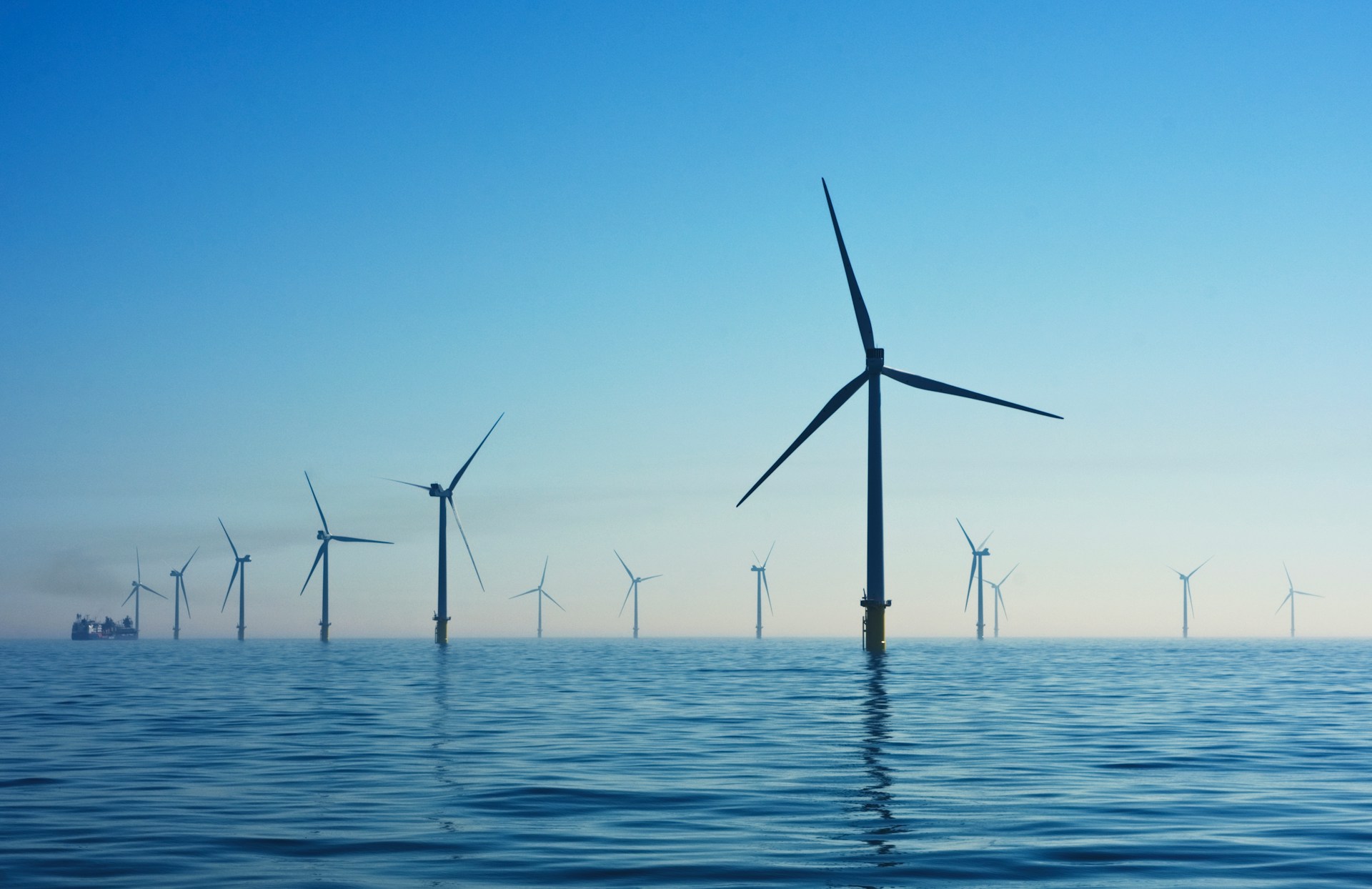 One initiative is the Mwinda Fund, a 500 million initiative that was initiated to fund solar home systems, minigrids, and clean cooking solutions in the DRC. It is an initiative in the third-largest city in Africa, Kinshasa, where a 500 MW solar power plant will be built in stages, and the first 100 MW will be built in 18 months as a result of the public-private partnerships. The government and private investors will share the costs of financing the project through a public tender to ensure that common outages that plague over 17 million residents come to an end and also to boost industry.
Massive Hydropower Advancements
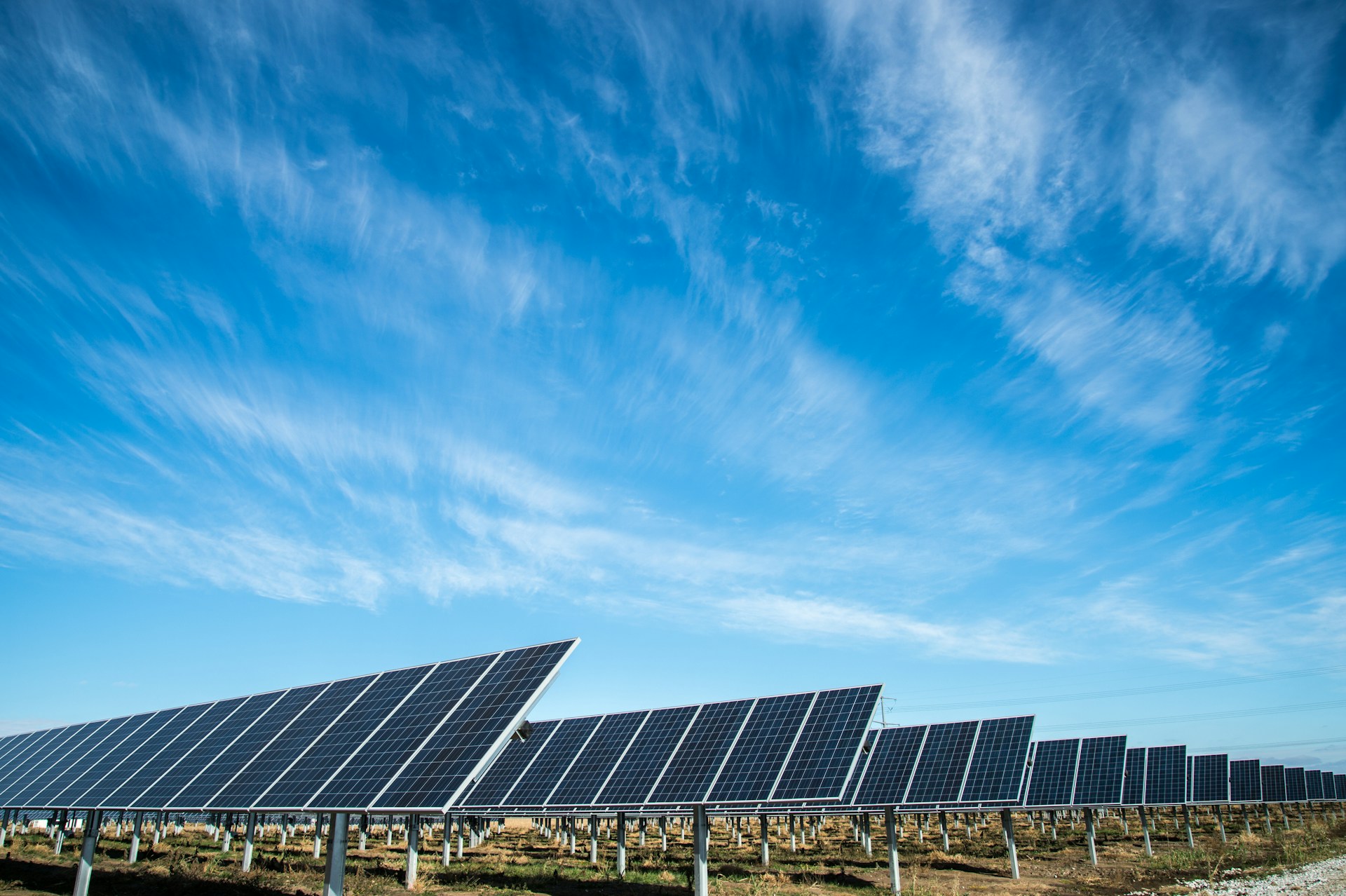 What is in the center is hydropower with one of the biggest potentials containing the Inga complex of dams on the Congo River. Under the National Energy Compact, the World Bank invested $1 billion in the Inga 3 multiphase project, which established the grounds of sustainable development, employment, and access to 62% by 2030. The recent failure such as a fire at Inga II which caused a decrease in capacity by 162 MW in addition to the 200 million dollars required to repair the plant by the end of 2025 demonstrates why resilient infrastructure is necessary.
Sun Africa’s Energy for Prosperity
Industrial and Rural Innovations
Other areas powered by renewable projects include the 30 MW baseload supply agreement between Kamoa Copper and CrossBoundary Energy to power the Kamoa-Kakula mine which will lower carbon footprints in mining. The rural electrification is being developed by the National Agency of Rural Electrification (ANSER) and the solar metro grids of GEAPP and the ElectriFi project increases generation and efficiency. Others are the Essor Solar Project, which is under construction in 2025, and the renewable feasibility study by TOF.
Such projects are an indicator of a paradigm shift, a mix of international funding, privately developed innovations and governmental changes that will open up the green potential of Congo. Through hydropower diversification, the DRC will enjoy energy security, economic inclusion, and environmental management to the future generation.