


The music life of Congo is vibrating with a rich history of rhythms that date back to the antique rhythms and contemporary music hits, beginning in the Democratic Republic of Congo (DRC) and Republic of Congo. These sounds are rooted in the cultural rituals and were developed under the impact of the colonialists using the traditional drums in combination with the electric guitars to entertain people all over the world and to symbolize the strength.
Roots in Traditional Rhythms
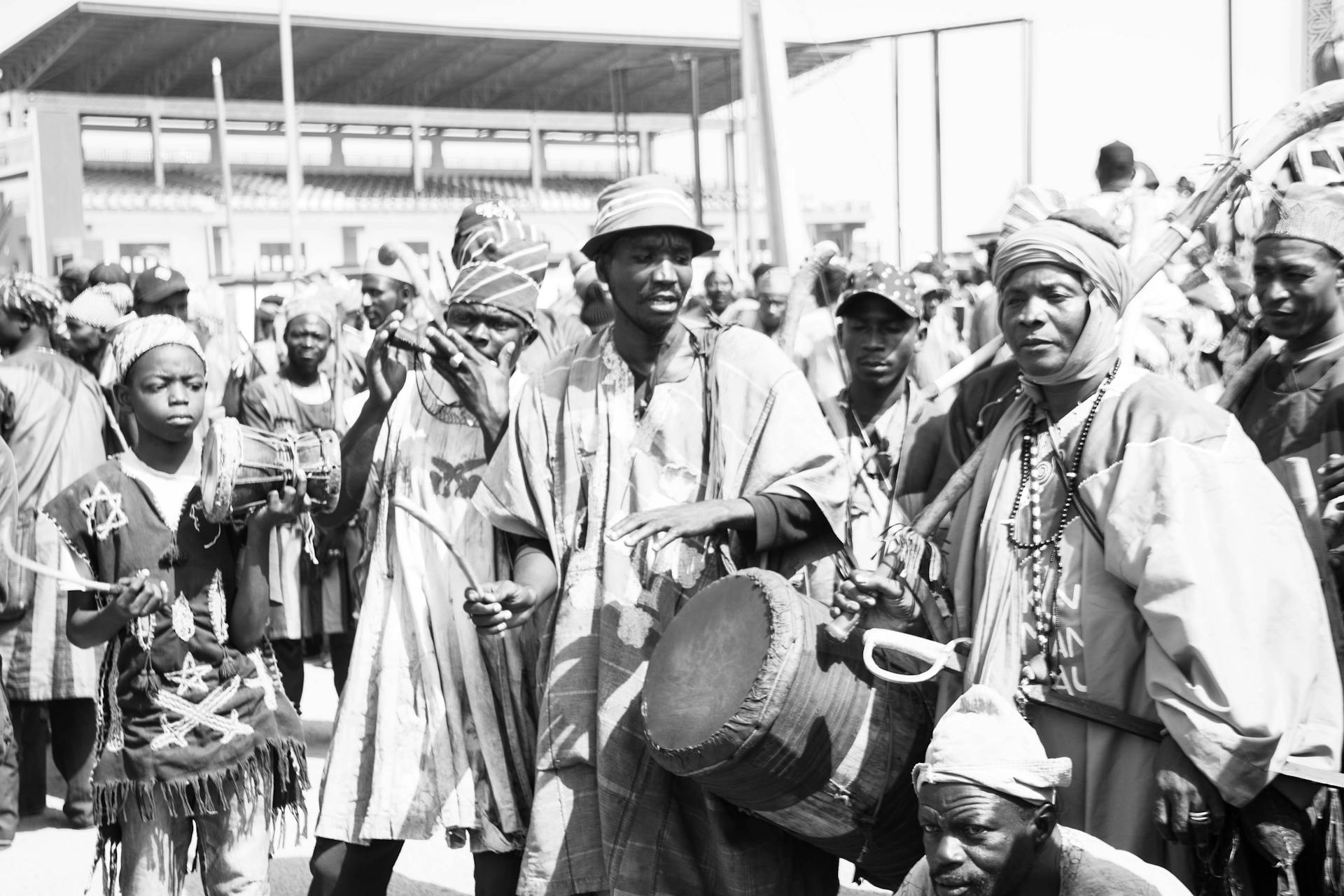
The history of Congolese music dates back to more than 3,000 years when people used such instruments as ngoma drum and likembe thumb piano during rituals, storytelling and celebrations of different ethnicities. The archaeological connections with Cameroon emphasize the contribution of the sanza to the development of the solo guitar that is unique in Africa promoting the polyphonic improvisation. Conservative forms of the maringa partner dances of the Bakongo preconditioned the communal expression, where drums and percussion would propel social activities and religious rituals.
Birth of Congolese Rumba
Evolution to Soukous and Dance Styles
Rumba produced soukous, which in turn, conquered Africa in the 1960s, with high-register electric guitar leads and faster rhythms. Guitarists such as Docteur Nico started creating fiesta forms of Baluba melodies, and the OK Jazz of Franco Luambo featured sebene segments at the middle of the song, where hip-moving dances could be performed. There was proliferation of sub-styles: kiri-kiri (1969), cavacha (1972), ndombolo (1990s mixing rumba and soukous), kwassa kwassa (1986), and so on with each bringing rhythmic innovation.
Iconic Artists and Global Influence
 Franco Luambo, Tabu Ley Rochereau, and Dr. Nico were legends who set their times and Franco went as far as to rough up the soukous by the club dancers. Papa Wendo, the father of rumba, was in the early fusion and the legacy is maintained by modern acts. No African genre has a greater influence on Western dance floors as the Congolese one did, and it disseminated through the orchestras of the 1950s-60s.
Modern Beats and Fusion Trends
To-day, the old music is flourishing and the contemporary blends such as Afrobeat and ndombolo with artists blending the rumba guitar and electronic beats to be streamed around the world. In urbanization, ngoma and likembe are still played in festivals and they keep the heritage alive despite such genres as madiaba and kintekuna. Digital platforms make DRC more creative as she combines protest anthems with dance hits.
Preserving the Legacy
The music of Congo continues to thrive with communal gatherings and music conservation, as the rhythms of the past are connected to the future development. Be it the village rituals or the world stages, these old and new beats bring generations together with indefinite cultural vibrations.