


The Congolese food is a rich mixture of traditional food, cooking techniques and cultural impact due to the richness of biodiversity and other communities of the Congo region. Since the times of small village kitchens to the modern tables, Congo cuisine is the story of the people and their country in the form of healthy meals and original cuisine.
Staple Ingredients of Congolese Cooking
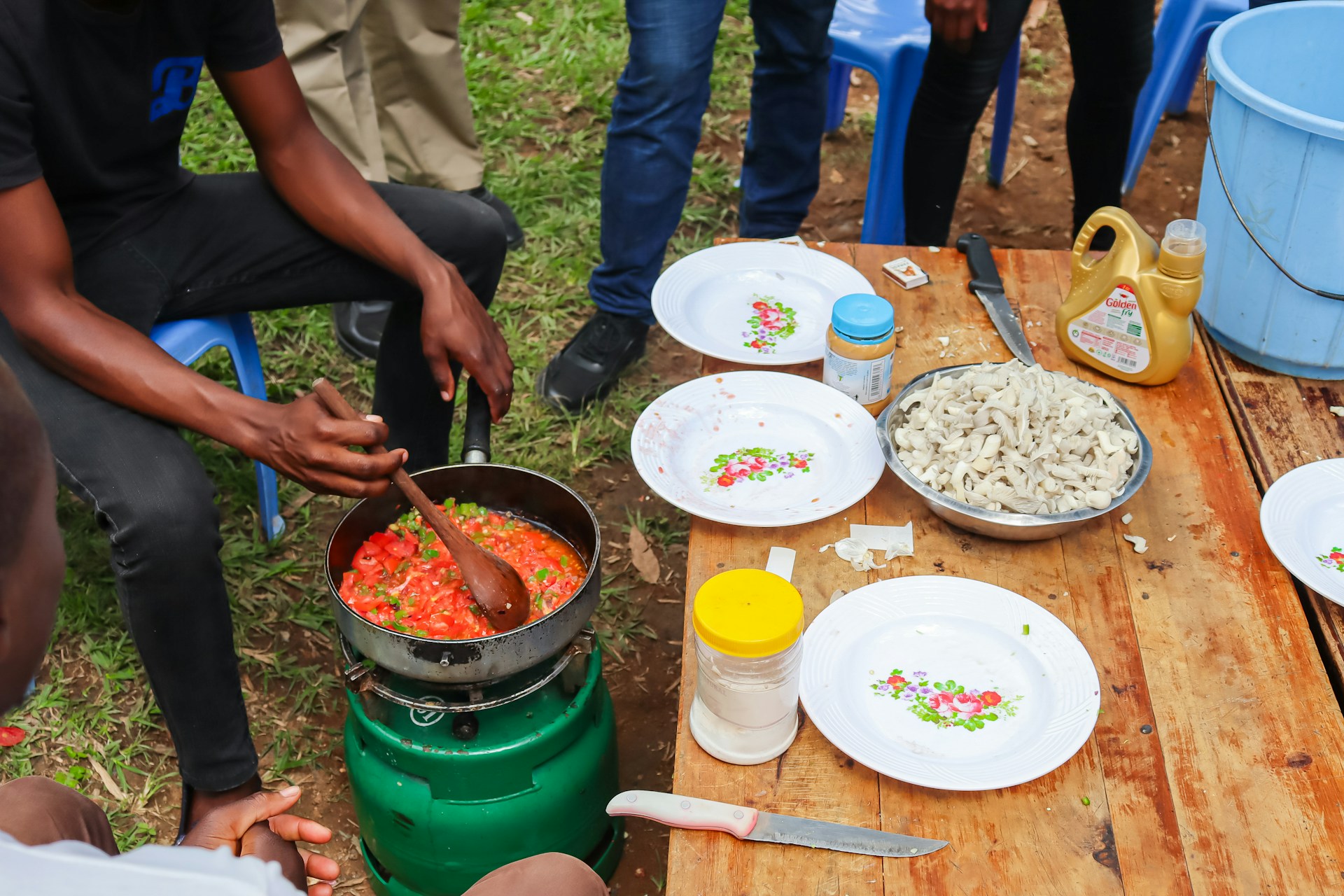 Cassava, plantains, maize, rice, sweet potatoes, yams, taro, and several types of leafy greens, including cassava leaves (locally called pondu) are the staple ingredients of Congolese cooking. They are commonly cooked in various forms such as boiled, fried, or turned into flour in order to make universal foundations of numerous meals. Palm oil is a cooking oil that has been extracted out of palm nuts and it gives a unique rich taste and color to foods, particularly in the sauces, such as moambe. Peanuts are also essential as they are often added to the sauces as a source of creaminess and richness. These ingredients are the basis that supports the rich rivers and forests which produce fresh fish and game meats that are common in the Congolese recipes.
Traditional Dishes and Cooking Methods
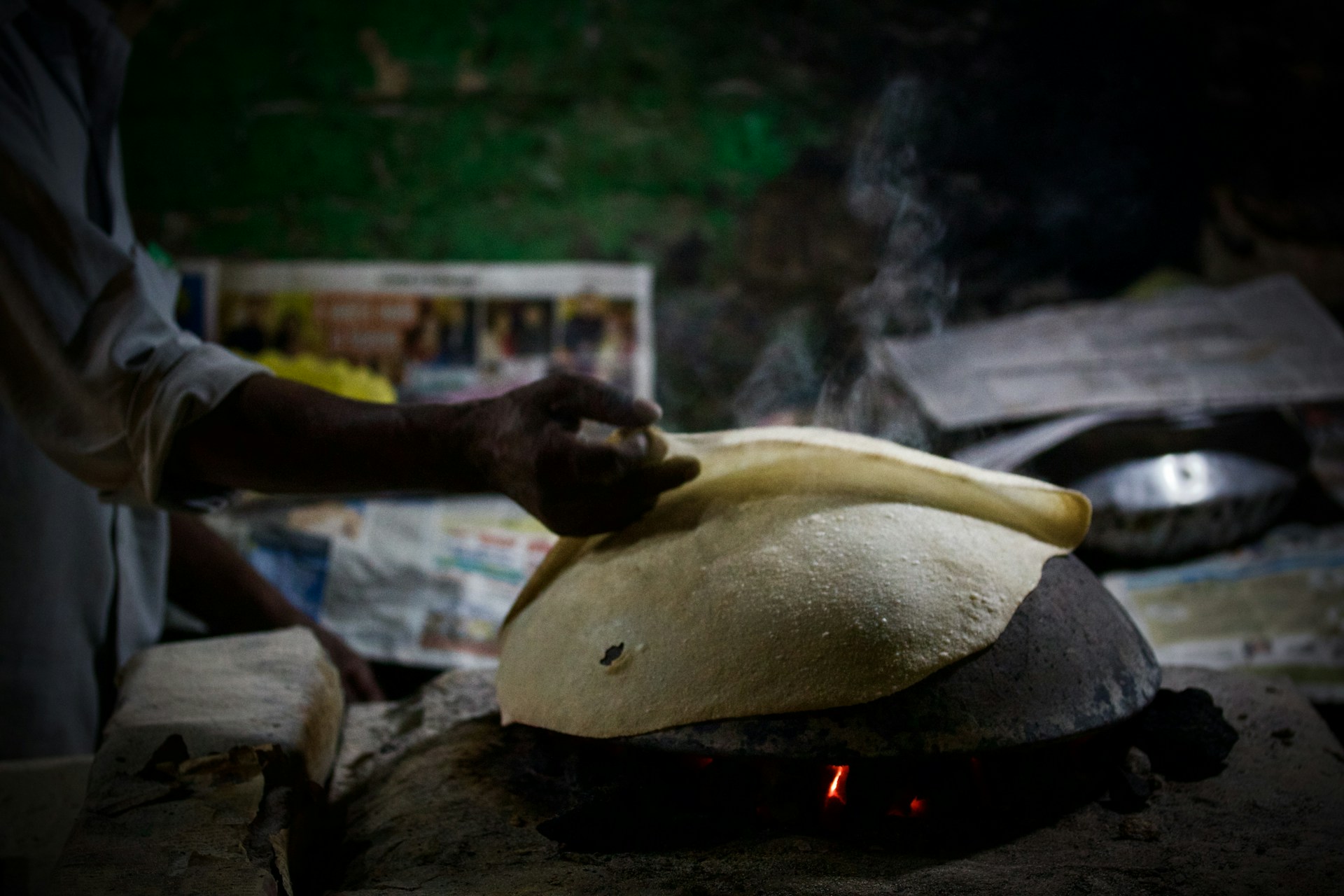 Congolese food is diverse in stews, soups and grilled meat that reflect local food and communal dining habits. The national dish is moambe chicken, which is made of chicken cooked in thick sauce made of palm butter or peanut butter blended with spices, tomatoes, onions, and cayenne pepper. Pondu, a favorite vegetarian meal, is made of cassava leaves that are boiled and frequently cooked in palm oil and spices making a hearty stew that is earthy. Other staple foods on the Congo River include fish such as smoked or salted fish which is usually accompanied by side dishes such as fufu (a type of staple food made of cassava or plantains, in the form of a dough) and chikwanga (fermented cassava covered in leaves). Such dishes incorporate the ancient cooking methods like stewing, smoking, and frying which have been inherited over the generations.
From Village Kitchens to Urban Tables
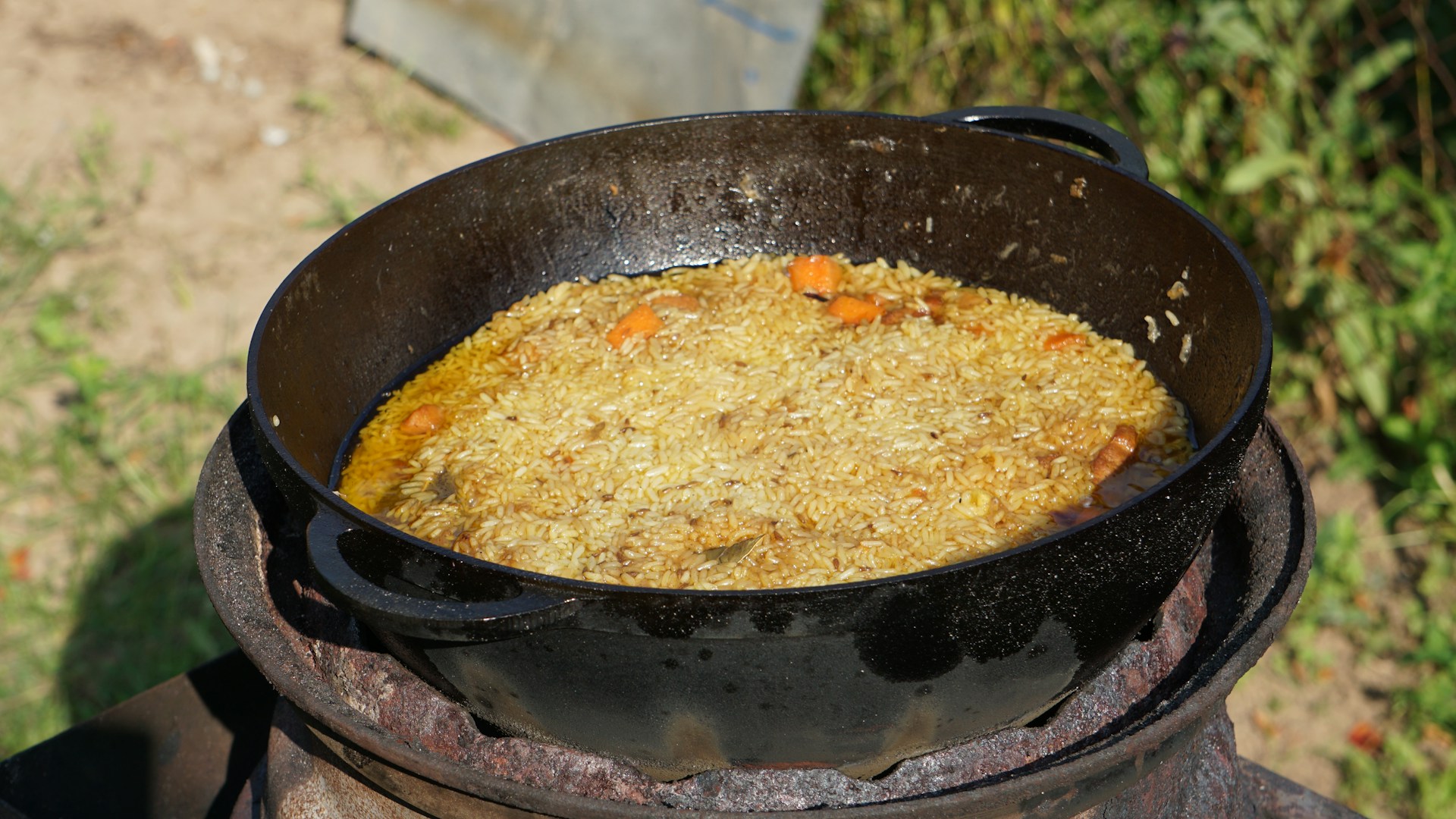 Although these local foods are found in the rural and village kitchens, the Congolese cuisine has also accustomed to city setting where modern dining tables are mixed with ancient ones. Restaurants and homes in cities both offer traditional food and innovations that are based on the trends in the global cuisine. Ingredients are still based on local staples, though, presentation and cooking techniques can be based on modern influences. This amalgamation develops a dynamic food culture that respects the heritage and addresses the shifting tastes and lifestyles. The street foods and markets are still flourishing as well as the high-end restaurants, and the Congolese food is available and part of the social events and parties.
Cultural Significance and Communal Eating
Food in Congo is not just nourishment, it is the main event of culture and belonging to the community. Food usually unites the families and neighbors and common food is used to show hospitality and company. Important occasions and festivals are marked by special dishes, which highlights the importance of food in social rituals and preservation of culture. The fact that local spices such as pili pili pepper are used enriches the flavors and gives them an aura of community that echoes the jubilant nature of Congolese people. Cultural stories and traditions are transmitted through food and it connects the past and the present generations.
The Future of Congolese Cuisine
Due to increasing awareness and appreciation of Congo culinary tradition by more people outside the country, traditional dishes are gaining popularity and interest. The quest to maintain traditional recipes is accompanied by innovative reconstructions which are more acceptable to the young generations and foreign patrons. It is a gastronomic voyage through village kitchens and contemporary table that demonstrates the strength and variation of the Congolese food culture, which will bring even more life and recognition to the world in the coming years.


